The Untold Story of FC Manchester United: Legends & Triumphs
FC Manchester United is more than just a football club – it’s a symbol of passion, glory, and undying ambition. Born from modest roots, it has risen to dominate the global stage, with its history filled with iconic players, unforgettable victories, and a fierce pursuit of greatness. From Sir Bobby Charlton’s brilliance to Cristiano Ronaldo’s stardom, this is the journey of a club that defines excellence. Dive into the legacy of FC Manchester United, where every match tells a story of relentless dedication and triumph CakhiaTV.
The Evolution of FC Manchester United’s Logo
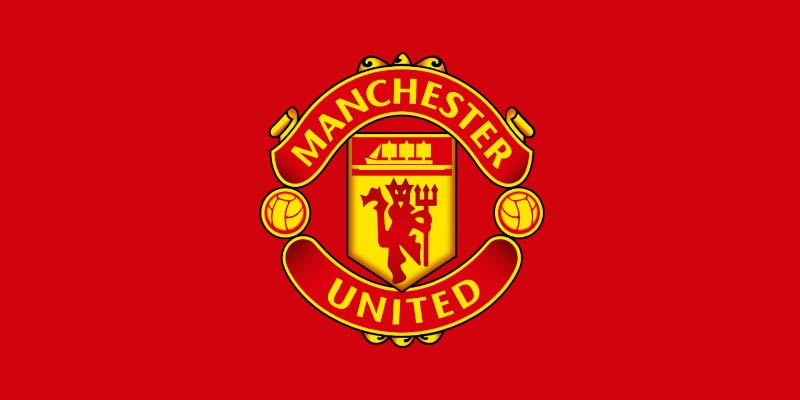
The logo of FC Manchester United serves as a visual representation of the club’s identity, evolving over the years to reflect its history, values, and ambitions. This section will explore the transformations of the club’s emblem and what they signify.
The Early Designs
The original logo of Newton Heath LYR Football Club featured a simple design, incorporating the club’s initials. However, as the club transitioned to Manchester United, the crest underwent significant changes. The introduction of the red devil motif, representing strength and determination, marked a pivotal moment in the brand’s evolution trực tiếp bóng đá Cakhia.
The symbolism behind the red devil can be traced back to the club’s desire to present itself as formidable opponents on the pitch. This iconography has since become synonymous with the club’s identity, serving both as a source of pride for supporters and a psychological tool against rivals.
Modernization and Branding
As the club entered the 21st century, there was a need to modernize the logo while retaining its traditional elements. The redesigns emphasized simplicity, making it easier to reproduce across various platforms, from merchandise to digital media.
The updated designs highlight the club’s color palette of red, black, and gold, evoking passion and prestige. The inclusion of the year of establishment has also become a common feature, reinforcing the historical significance of the club’s legacy.
Cultural Impact of the Logo
The evolution of the FC Manchester United logo reflects broader trends in branding and marketing within football. As the club gained a global presence, the logo evolved into a powerful symbol recognized worldwide.
Fans passionately embrace the emblem, donning jerseys adorned with the crest, and it serves as a rallying point for supporters during matches. The logo encapsulates the aspirations of millions who identify with the club, bridging generational gaps and fostering a sense of belonging within the Manchester United family.
Iconic Matches in FC Manchester United’s History
The history of FC Manchester United is filled with memorable matches that resonate with fans and define the club’s ethos. This section examines some of the most iconic encounters that illustrate the thrilling nature of football and the magical moments associated with the club.
The 1999 UEFA Champions League Final
One cannot discuss iconic matches without mentioning the 1999 UEFA Champions League Final held at Camp Nou. Trailing 1-0 to Bayern Munich, Manchester United appeared to be on the verge of defeat as the clock ticked away. However, in a display of sheer determination, Teddy Sheringham leveled the score in the dying moments before Ole Gunnar Solskjær sealed an astonishing comeback with a second goal.
This match encapsulated the essence of Manchester United; their resilience, fighting spirit, and belief in achieving the seemingly impossible. It remains etched in the annals of football history and is fondly referred to as “the night in Barcelona.”
The 2008 Champions League Final
Fast forward to 2008, when Manchester United faced Chelsea in the Champions League Final in Moscow. After a tense goalless draw, the match proceeded to penalties. With the weight of history on their shoulders, John Terry’s slip allowed Edwin van der Sar to save Nicolas Anelka’s spot-kick, securing Manchester United’s third Champions League title.
The emotional rollercoaster of this encounter resonated with fans, emphasizing the thrill and unpredictability of football. It reinforced Manchester United’s reputation as a club that thrives on high-stakes situations.
Local Derbies and Rivalry Matches
Additionally, matches against local rivals, particularly Manchester City and Liverpool, have provided many unforgettable moments. The 6-1 defeat to City in 2011 served as a stark reminder of the fierce rivalry and competitive nature of Manchester football, while the thrilling comebacks in recent years have reignited the passion among supporters.
These encounters underline the significance of rivalries in shaping the culture of football. For Manchester United fans, these matches are not just about points; they symbolize pride and bragging rights within the city and beyond.
FC Manchester United’s Rivalries
Rivalries form a vital part of football culture, and for FC Manchester United, intense competition defines their existence. The narratives that emerge from these rivalries elevate the games and engage fans at a deeper level.
The Manchester Derby
The Manchester derby against Manchester City has grown increasingly significant in recent years. Historically, United dominated the scene, but City’s rise to prominence has created a fierce contest between the two teams.
Each iteration of the derby carries heightened emotions; the stakes are immense, as fans eagerly anticipate the outcome. Recent matches have highlighted the intensity and competitiveness, showcasing the evolution of both clubs.
The North West Derby: Manchester United vs Liverpool
The rivalry with Liverpool stands as one of the fiercest in English football. Both clubs boast rich histories, numerous titles, and passionate supporters. Matches between Manchester United and Liverpool are often charged events that capture the nation’s attention.
The historical context adds layers to this rivalry, as it embodies the struggle for regional dominance and national acclaim. Winning against Liverpool is not merely about points; it represents a clash of cultures and traditions that transcend football.
International Rivalries
Beyond domestic clashes, Manchester United has fostered rivalries on the European stage, particularly with clubs like Arsenal and Chelsea. The battles for titles during the Premier League’s heyday have forged unforgettable moments, adding an extra dimension to the club’s competitive spirit.
These rivalries contribute to the fabric of football culture, creating narratives that fuel fan engagement and passion. The emotional connections formed through these encounters enrich the overall experience of being a Manchester United supporter.
Impact of Sir Alex Ferguson on FC Manchester United
Sir Alex Ferguson’s tenure as manager of FC Manchester United stands as a transformative period in the club’s history. His leadership not only brought success on the pitch but also instilled a winning mentality that permeates the club to this day.
The Architect of Success
Ferguson’s arrival at Manchester United in 1986 marked the beginning of an era characterized by unprecedented success. Initially facing challenges, he demonstrated immense patience and resilience, gradually building a squad capable of competing at the highest level.
His astute understanding of the game, combined with a keen eye for talent, allowed him to assemble a roster filled with gifted players. By nurturing youth and integrating experience, Ferguson created a harmonious team dynamic that propelled United to new heights.
Tactical Innovations and Philosophy
Ferguson was not only a master motivator but also an innovative tactician. His approach to the game emphasized attacking football, attractive play, and adaptability. He cultivated an environment where players could flourish, resulting in dynamic football that thrilled fans.
His tactical flexibility allowed United to adapt to different opponents and situations, leading to a multitude of victories across various competitions. The hallmark of Ferguson’s philosophy was the relentless pursuit of excellence, emphasizing the importance of hard work, discipline, and professionalism.
Building a Lasting Legacy
Upon retiring in 2013, Ferguson left behind a legacy that reshaped the club and English football. His influence extended beyond silverware, as he instilled a culture of unity and purpose. The principles he championed continue to guide FC Manchester United, ensuring that the club strives for greatness.
Moreover, Ferguson’s emphasis on youth development paved the way for future generations of players. Many of the club’s academy graduates carry forward the values he espoused, fostering a sense of continuity and tradition within the club.